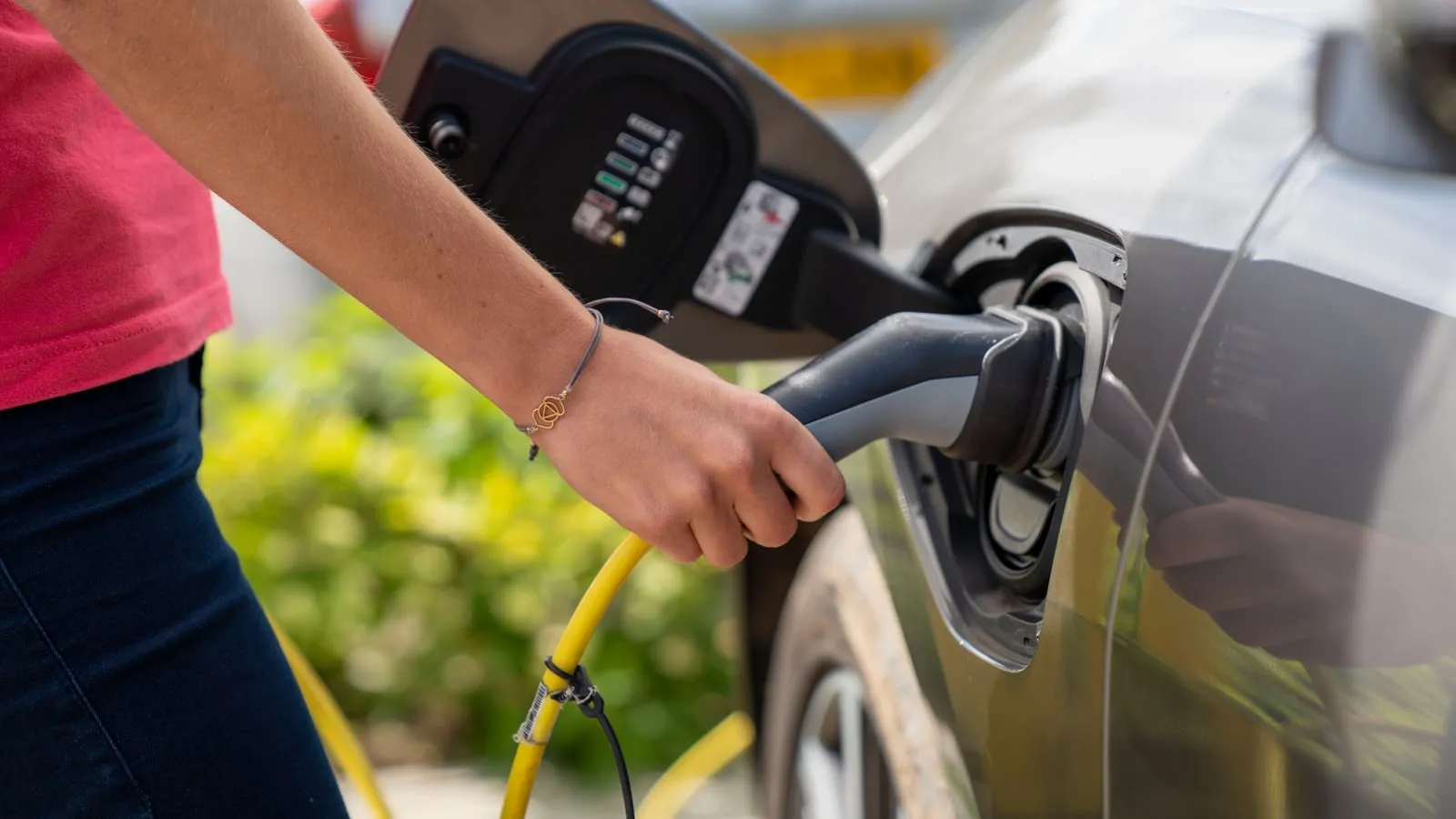
NACS vs J1772: Why Your New EV Still Charges on J1772 at Home
Almost every 2026 EV ships with a NACS port. Almost every home charger is still J1772. That sounds like a problem and is not — here is what actually changed and what to buy.
J1772, NACS/Tesla, CCS and CHAdeMO explained — which adapters are safe, which are certified, and what actually fits your car and your charger.
At home, the connector question is smaller than the internet makes it sound. Almost every non-Tesla EV sold in North America has used J1772 for AC charging, Tesla vehicles use NACS, and the transition between them affects which adapter sits in your boot far more than it affects what you should bolt to the wall.
The part worth being careful about is adapters. A certified AC adapter between J1772 and NACS is an ordinary, safe piece of equipment. Uncertified adapters, and anything claiming to adapt DC fast charging in a direction the manufacturer does not support, are a genuinely different risk category — the currents involved do not forgive a bad contact.
For a home installation the practical advice is short: pick the wall box for the circuit and the car, not for the connector fashion of the year, and keep the adapter question separate.
Almost every 2026 EV ships with a NACS port. Almost every home charger is still J1772. That sounds like a problem and is not — here is what actually changed and what to buy.
Gradually, at the vehicle end. For a home charger it changes little: a J1772 wall box charges a NACS car through the adapter that came with it, and the circuit behind the wall is identical either way.
Certified AC adapters from reputable manufacturers are, and most NACS vehicles ship with one. Uncertified adapters and DC adapters outside the manufacturer’s support are where the real risk sits.
Choose on the car you own and the circuit you can have. Both connectors deliver the same AC power over the same conductors, so this is a convenience decision rather than a performance one.