EV Charger Not Working? Work Through It in This Order
A diagnostic sequence that isolates the fault in under ten minutes — car, cable, charger, circuit — so you know whether you need a reset, a part, or an electrician.

Charger not working? Fault codes, GFCI trips, slow charging, error lights and Wi-Fi dropouts — diagnosed step by step before you call an electrician.
Charging faults are diagnosable, and the useful signal is almost always *when* the failure happens rather than what the light is doing. A breaker that trips the instant you plug in is a different fault from one that trips forty minutes in, and that timing narrows the cause faster than any error code.
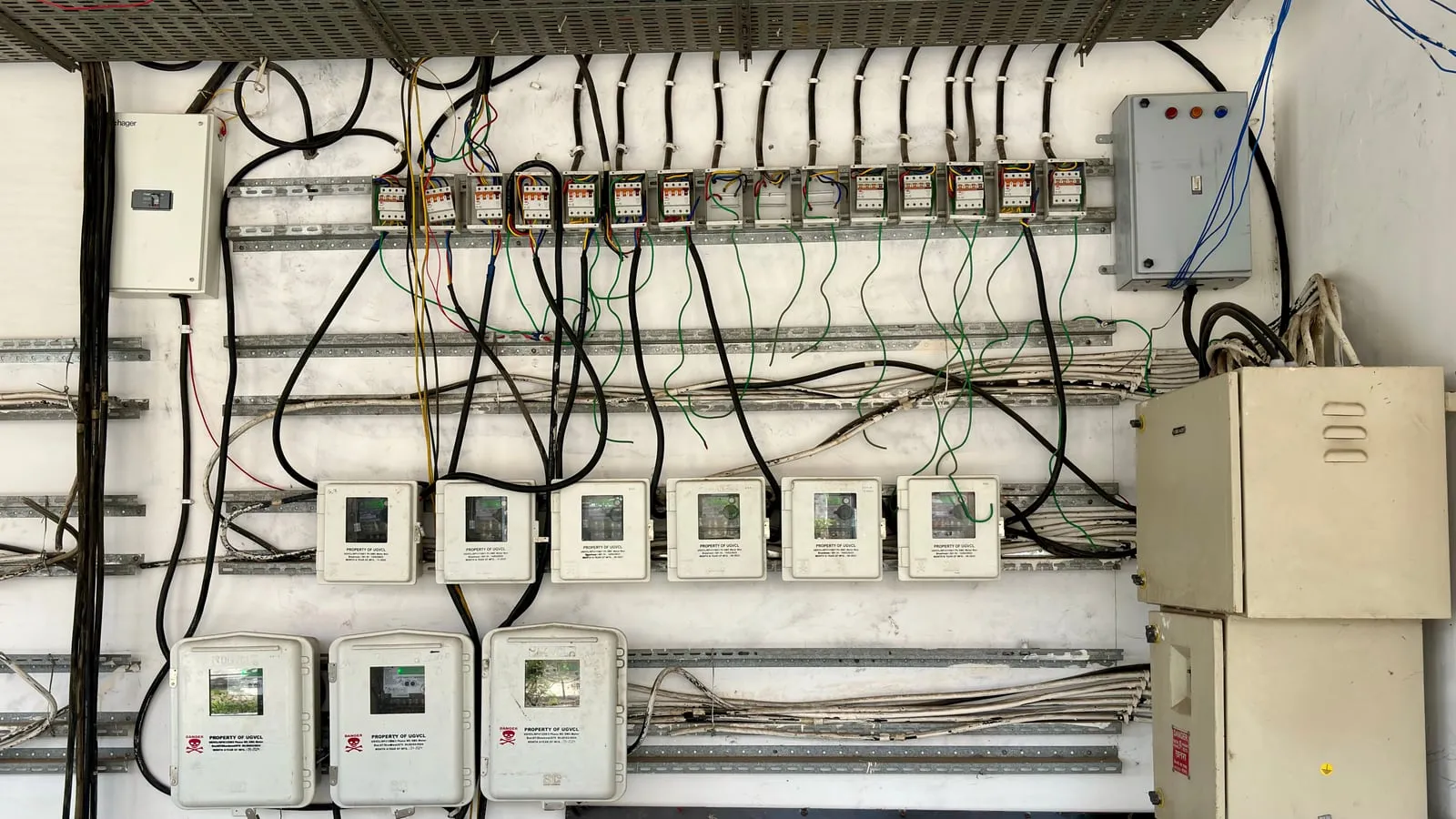
The most common cause is not a faulty charger. It is a circuit that was sized to exactly the charger current instead of 125% of it — an install that looks right on paper, works through the winter, and starts tripping when the garage warms up. The second most common is a shared circuit, which the code does not allow for EV charging equipment and which fails only when the other load happens to start.
Work through the symptom before you call anyone. It changes what you are paying an electrician to do, from diagnosis to repair.
A diagnostic sequence that isolates the fault in under ten minutes — car, cable, charger, circuit — so you know whether you need a reset, a part, or an electrician.
A tripping breaker is a symptom, not a fault. Here is how to tell a genuine overload from a failing GFCI, a shared circuit, or a charger drawing more than its wire can carry.
Most often the circuit was sized to the charger current rather than to 125% of it, and the margin disappears as the panel warms. Other causes are a shared circuit, doubled-up GFCI protection, moisture in the connector, and a genuine ground fault — the timing of the trip separates them.
No. The breaker protects the wire, not the charger. A larger breaker on unchanged conductors removes the only device that would notice the wire overheating inside a wall. If it needs a bigger breaker, it needs bigger conductors too.
Cold batteries accept less, and most chargers throttle when their connector or the panel runs hot. If it is slow at every temperature, check the car’s onboard limit and the charger’s configured current — one of them is probably set lower than you think.
For anything involving the panel, the conductors or a breaker that trips with nothing plugged in. Diagnosis you can do yourself; anything behind the panel cover you should not.